3Intermediate 1

Activities included in the Intermediate 1 level. They can be done in sequence, or as an introduction or reinforcement of classroom activities.

Rhythm Notation Music theory Instruments Music culture
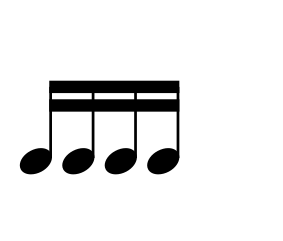
  • The group of 4 sixteenth notes
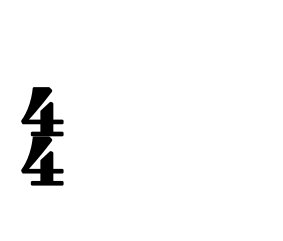
  • Time signature of 4
  • The whole note
Group of four sixteenth notes Time signature of 4
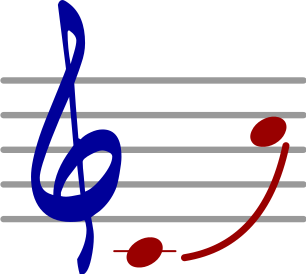
  • Notes B and high C
  • Reading, writing and aural recognition within the octave range

Octave range (C-high C)

  • Musical forms: the canon
  • Abbreviations and repeats
  • The fermata
  • Mallet instruments
  • Orchestral instruments: parts, characteristics and families
  • Musical forms of classical music
  • Composers and works by style/period: contextualisation through active listening
Music culture

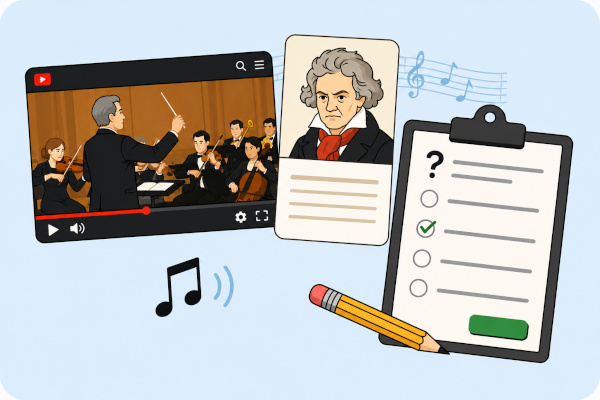
Music History Quiz

Objective · Mechanics
A music culture quiz with multiple-choice questions about music history, composers, instruments and trivia. It's built around videos of classical and contemporary works with brief information, which you then answer in a 5-round quiz.
Teaching guide
Rhythm

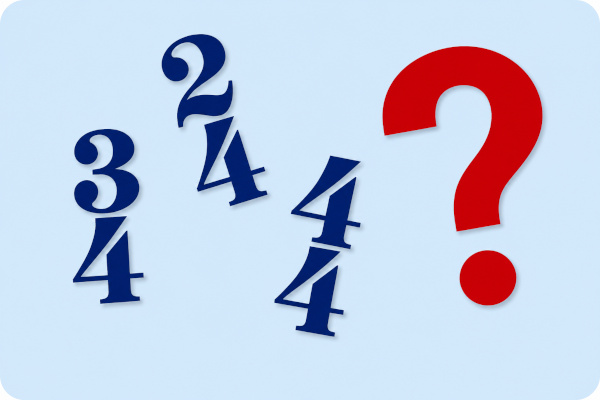
Descubre el compás

Objective · Mechanics
La actividad presenta diferentes combinaciones de figuras rítmicas en un solo compás. Según la combinación presentada, debe contestarse si es un compás de 2/4, 3/4 o 4/4. La actividad tiene dos niveles, según la complejidad de las células rítmicas que aparecen.
Rhythm

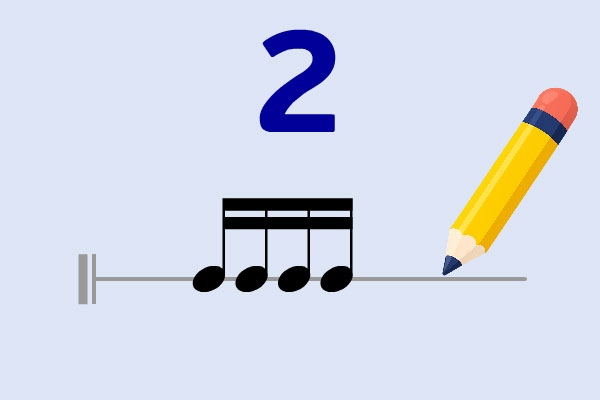
Dictado rítmico: semicorcheas

Objective · Mechanics
**Segundo nivel** de dificultad de dictados rítmicos. Frases de 4 compases en 2/4 utilizando las figuras del primer nivel al que añadimos el grupo de 4 semicorcheas (ti-ri-ti-ri). Se escucha un esquema rítmico y hay que presionar los botones correspondientes.
Notation

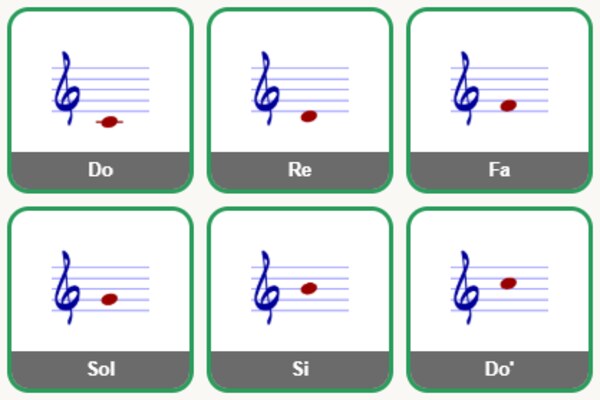
Memory: the C major scale

Objective · Mechanics
A memory (pairs) game focused on the full C major scale: C, D, E, F, G, A, B, C. Matching each note on the staff with its name helps consolidate reading the whole scale in a visual and fun way.
Notation

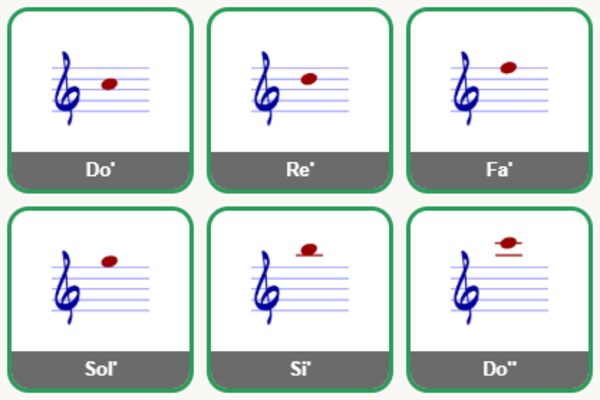
Memory: the first high notes

Objective · Mechanics
A memory (pairs) game focused on the first high notes, the ones that appear above the staff in the treble clef. Matching each note with its name helps you get comfortable with ledger lines and keep widening your reading range.
Notation

Learn the C major scale

Objective · Mechanics
Extend the note-placing game to the full C major scale: C, D, E, F, G, A, B, C. Drag each note to the line or space where it belongs on the staff, consolidating the reading of all the notes before moving on to other clefs or registers.
Teaching guide
General

Hearing acuity test

Objective · Mechanics
Hearing acuity test: two sounds play one after another and you have to decide whether the second one goes up or down. It starts with an octave and the distance shrinks (fifth, third, whole tone, semitone) down to fractions of a semitone measured in cents. A piano and a semitone bar show the notes that sounded, and at the end your precision level is shown. You can finish at any time and retake the test another day.
Teaching guide
General

Sound chimes 2: tone and semitone

Objective · Mechanics
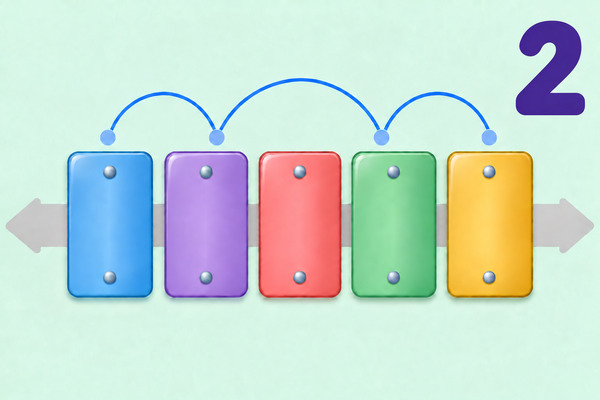
Second part of the sound chimes game, inspired by Willems' intratonal chime: five bars sound mixed up and you have to place them in order from low to high, guided only by your ear. Here the bars are closer together than in the first chime: **1 tone** and **1 semitone** between the first and last, for those who already master wide gaps and want to fine-tune their ear. Each level has three rounds and is passed by getting two out of three right. You can move each bar by dragging it, with arrows or with the keyboard, and listen to the correct order to learn by ear.
Teaching guide
Notation

Catch the notes · the C major scale

Objective · Mechanics
Third stage of Catch the Notes: recognise the eight notes of the C major scale — C, D, E, F, G, A, B and high C.
Teaching guide
Notation

Learn the notes from C to high E

Objective · Mechanics
Extend the range of notes beyond the basic C scale, from low B up to high E, with several notes on ledger lines. Drag each note to the line or space where it belongs on the staff, consolidating the reading of a wider range of notes.
Teaching guide
Instruments

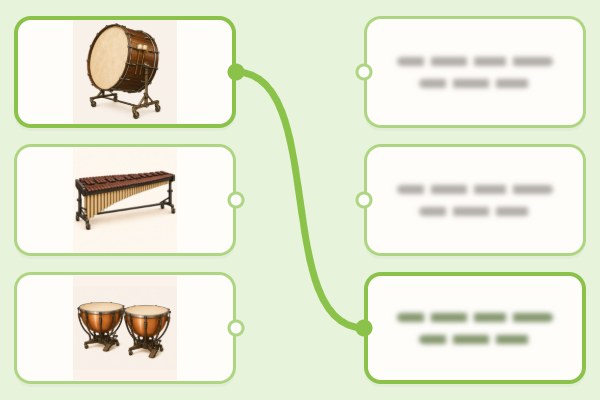
Match: Percussion

Objective · Mechanics
Match pictures, photos, names, descriptions and sounds of nine percussion instruments: drum kit, bass drum, snare drum, tubular bells, gong, marimba, cymbals, timpani and triangle. Complete 15 pairs per round, with four pairs visible at a time. Each instrument has several recordings, so a different one may play each time. Answers can be retried, and the result shows how many pairs you got right on the first try.