
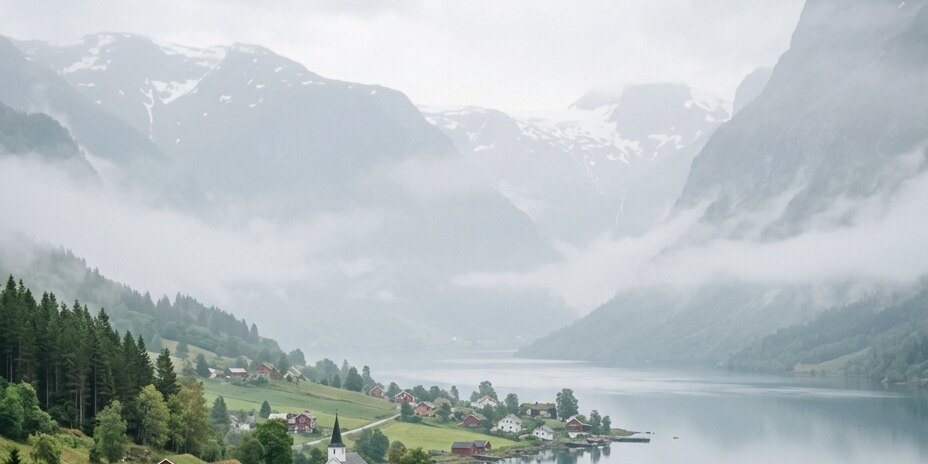
Edvard Grieg, Norway's composer
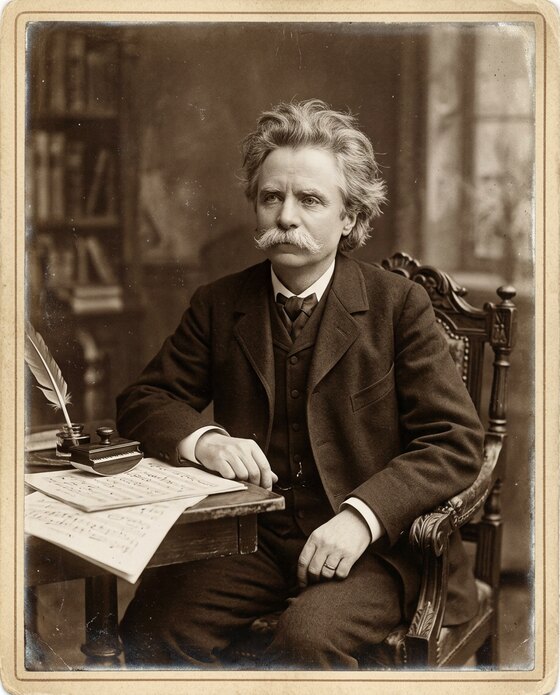
Edvard Grieg (Bergen, 1843 – 1907) is Norway's best-loved composer. He grew up among fjords and mountains, studied in Germany and came back home determined to write music with a Norwegian flavour: folk songs and dances, landscapes and legends. Today he is best known for his Piano Concerto in A minor and for the music of Peer Gynt.
The story of the piece
In 1874 the playwright Henrik Ibsen asked Grieg to write the music for a stage version of his dramatic poem Peer Gynt, inspired by Norwegian folk tales. Grieg composed it between 1874 and 1875 and the play opened in Christiania (today Oslo) in 1876. It was so well received that Grieg later gathered the best numbers into two orchestral suites; In the Hall of the Mountain King is the last number of Suite No. 1 (1888), together with Morning Mood, Åse's Death and Anitra's Dance.
Fun facts to motivate students
- Grieg's house near Bergen is called Troldhaugen: "the hill of the trolls".
- It is said that Grieg did not like this piece: in a letter he said he could not bear to hear it because it seemed excessively "Norwegian" and self-satisfied. And it ended up being his most famous one!
- Grieg was very short (barely more than a metre and a half) and, it is said, carried a lucky little frog in his pocket to concerts.
- The theme has been used in films (in Fritz Lang's M, 1931, the main character whistles it), adverts and video games: ask students to find where they have heard it.
- Almost the whole piece is the same theme repeated: Grieg builds tension only with instruments, volume and speed.
What is a troll?
Trolls are creatures from Scandinavian folklore that live in mountains and forests: big, clumsy, a little wicked and, according to legend, they turn to stone if the sun shines on them. That is where the final game of the staging proposal comes from (the motionless trolls).
Time signature and character
The piece is written in 4/4 and its marking is Alla marcia e molto marcato: "like a march, very marked". It starts pianissimo and ends fortissimo. In the musicogram we show the 4/4 bars split into halves (each box is half a bar) because of the strong march character of the piece, to make it easier to follow.
The context: Peer Gynt in the hall
Peer Gynt is a dreamy, boastful, adventurous young Norwegian. After disrupting a wedding, he wanders into the mountain and meets the daughter of the Mountain King (Dovregubben, the king of the trolls), who takes him to her father's hall. There the king proposes that Peer marry his daughter, but Peer hesitates and cannot make up his mind. The king gets angry and the trolls throw themselves on him: Peer makes a mad dash through the mountain's caves, chased by all of them, until he manages to get out. The trolls cannot leave the mountain and stay inside, frozen with fear.
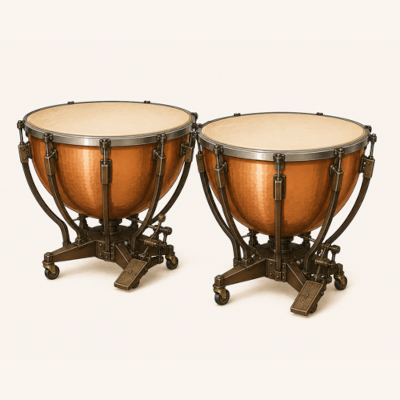
The music tells exactly that: at first the theme is quiet and mysterious (Peer tiptoes through the hall); with each repetition there are more instruments and more speed (the trolls close in, get angry and the chase begins in the accelerando); at the end the whole orchestra plays and the final timpani roll arrives: the trolls freeze, paralysed by fear, while Peer escapes.
In Ibsen's original text the scene ends differently (distant church bells and the collapse of the hall). The version we tell in class — the chase and the paralysed trolls — fits the music better.
The musicogram
Each square is one time the theme is played. Follow the music with your finger, from left to right.
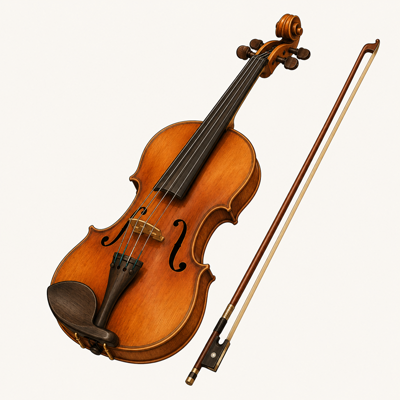
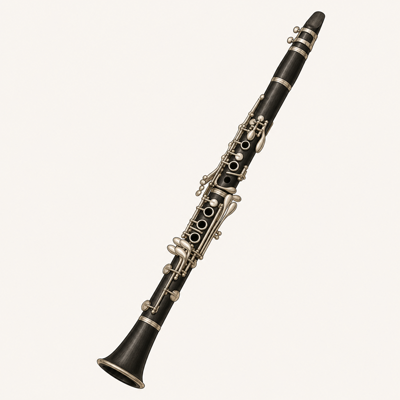
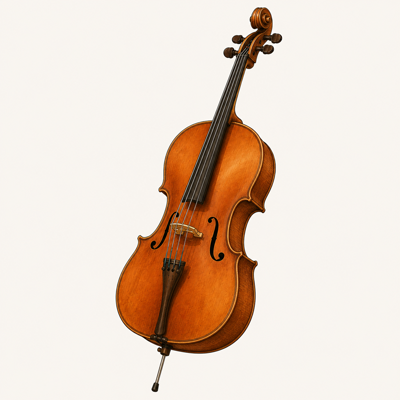
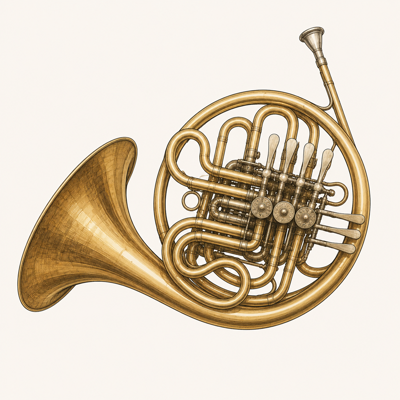
Crescendo and accelerando…
The rhythm of the theme
This is the rhythm of the theme, repeated in every square. Each box is half a bar: two boxes make one 4/4 bar. Follow the rhythm by tapping the boxes with your finger, just as you will see in the musicogram video. Be careful at the end: it is easy to lose the tempo when the music starts to speed up.
⊓ = two eighth notes · | = quarter note · U = long note
Things you can find out
- How many times does the whole theme play? Count it with the squares of the musicogram.
- What changes from one colour to the next: the theme, the instruments or the speed?
- What are the two Italian words that mean "louder" and "faster"?
- In which country was Edvard Grieg born, and what landscape inspired much of his music?
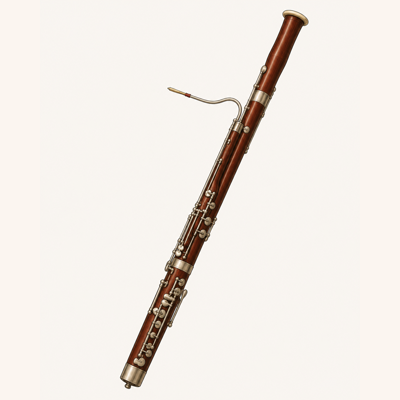
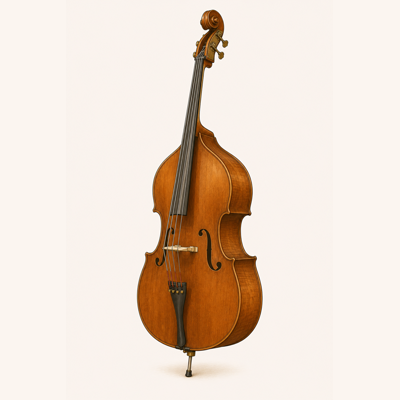
- Can you say which low-pitched instruments play at the start and which high-pitched ones come in afterwards?
You can print the student worksheet as a PDF (in Spanish) with the musicogram and space for the answers.
Worksheet answers
| Question | Suggested answer |
|---|---|
| 1. How many times does the whole theme play? | 9 times: 3 in purple, 3 in orange and 3 in yellow, followed by a final coda (the grey square). |
| 2. What changes from one colour to the next? | The theme does not change. The instruments (timbre), the volume and the speed do. |
| 3. The two Italian words | Crescendo (getting louder) and accelerando (getting faster). |
| 4. Grieg's country and landscape | Norway (he was born in Bergen). Fjords, mountains and forests; also Norwegian folk tales and songs. |
| 5. Low-pitched and high-pitched instruments | Low: bassoon and low strings (cellos and double basses). High: violins and woodwinds (clarinet, oboe). Whole orchestra: strings, woodwinds, brass and percussion (timpani). |
The rhythm of the grid (each box = half a bar; ⊓ = ti-ti, | = ta): both rows are the same.
Staging proposal: "Peer Gynt in the hall"
Duration: about 3 minutes of music + preparation. Space: a cleared classroom or the gym. Materials: the musicogram projected and/or copies of the worksheet; optionally, a crown, a drum or timpani (or a bass drum) and some coloured ropes.
Before staging it, it is a good idea to listen to the whole piece once, following the musicogram with your finger (paper worksheet), and talk about what happens in the story. To keep it safe: the beat speeds up, but nobody runs.