You can search by name, topic, level or type of activity.
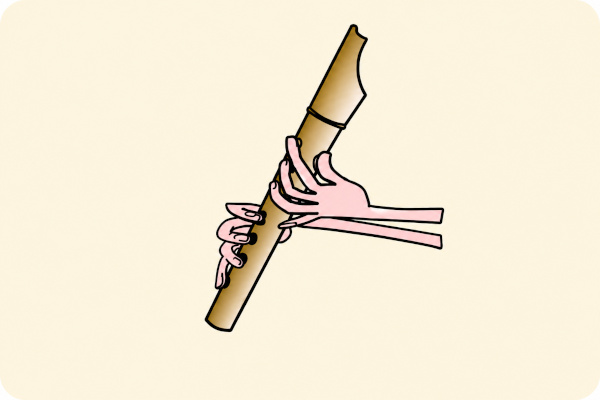
Consult the recorder fingering from low C to high A, including F sharp, G sharp and B flat. Move the mouse over a note (or tap it on a tablet) and it sounds, the finger positions appear on the recorder and the note is drawn on the staff. You can also tap the staff to choose the note. It includes exercises to practise individually with a real recorder: notes are shown and you play them on your recorder, which is ideal for gaining fluency in reading notes on the staff. There are also exercises to practise as a group.
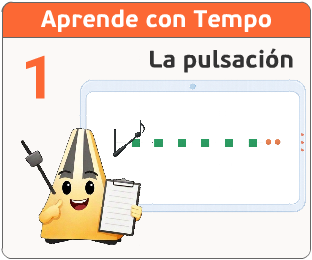
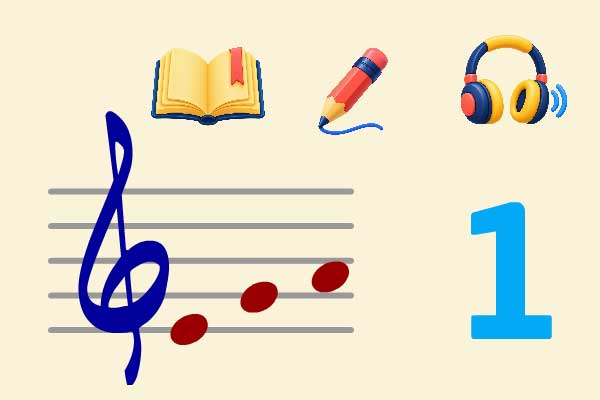
El Bloque 1 de Aprende con Tempo te introduce en el mundo de la música a través de la pulsación. Aprenderás a seguir el pulso de una canción, a memorizar una melodía con el carillón y a reconocer los nombres de las notas. Tu compañero de viaje es Tempo, el metrónomo que te guiará en cada actividad.
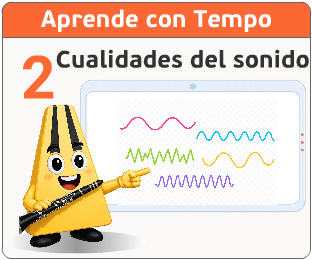
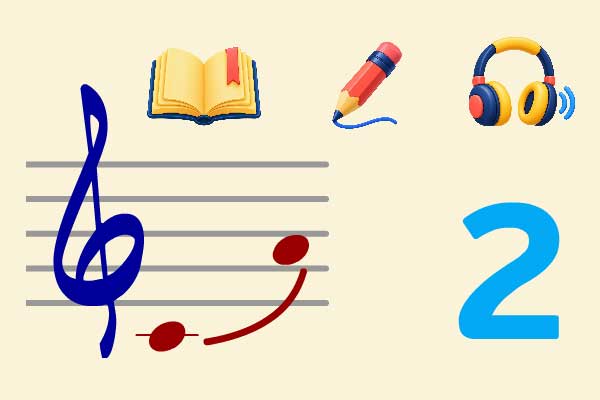
El Bloque 2 de Aprende con Tempo te introduce en las cualidades del sonido. Con cuatro actividades guiadas por Tempo aprenderás a identificar la intensidad, la duración y la altura de los sonidos. El ejercicio final mezcla las tres cualidades para consolidar lo aprendido.
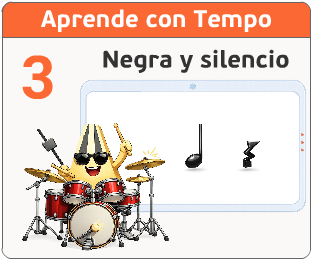
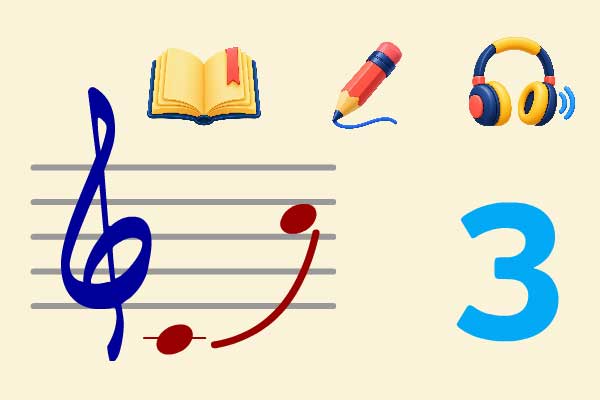
El Bloque 3 de Aprende con Tempo introduce la figura negra (♩) y su silencio. Aprenderás a reconocerlos visualmente, a seguir y reproducir ritmos con negras y silencios, y a practicar la melodía de Margarita tiene un gato en el carillón.
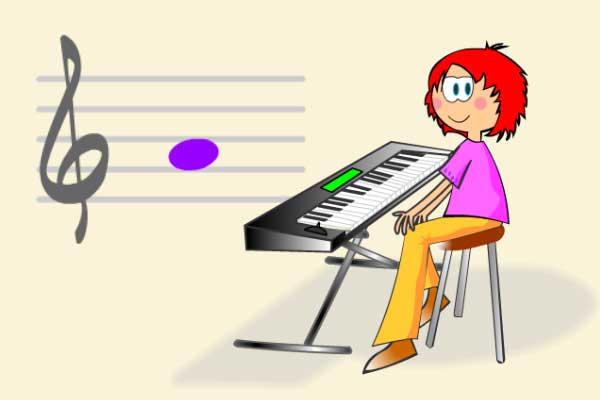
A note-recognition game on the staff where you have to identify and catch the correct note among several falling down the screen. Includes different difficulty levels (3, 4, 5, 6, 8 notes...) to suit everyone from beginners to those who already master the full scale. Also available in a mobile version.
El Bloque 4 de Aprende con Tempo te introduce en el pentagrama. Aprenderás a reconocer la clave de Sol, las líneas y espacios, y los primeros signos de notación musical. Siete actividades para prepararte antes de leer las primeras notas.
Empieza por aquí. Práctica del ritmo más sencillo: el de negras y su silencio. En el juego se presentan esquemas de cuatro pulsos con solo estas dos figuras. En el primero escuchas y presionas el botón correspondiente. En el segundo has de averiguar cual de tres modelos sonoros es el que está representado. Muy fácil.
Learn to play the Jingle Bells chorus on the recorder. Listen to the song with its score, the English lyrics, the chords in G major and the finger positions, play by pressing the notes that light up, or play on your real recorder and let the microphone check every note. With note names and adjustable speed, on recorder or keyboard.
El Bloque 5 de Aprende con Tempo te presenta las notas Sol y Mi en el pentagrama de clave de Sol. A través de 10 actividades aprenderás a identificarlas visualmente, a escribirlas en el piano, a detectarlas de oído y a reconocer melodías. También practicarás la barra final y la memoria musical con el Carillón.
Learn to play Twinkle, Little Star on the recorder. Listen to the song with its score and the finger positions, play by pressing the notes that light up, or play on your real recorder and let the microphone check every note. With lyrics, note names and adjustable speed, on recorder or keyboard.
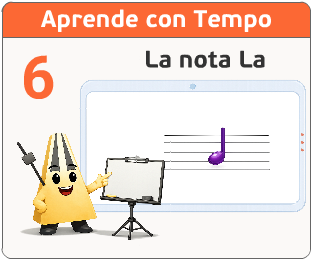
El Bloque 6 de Aprende con Tempo introduce la nota La en el pentagrama. Ya con tres notas — Sol, Mi y La — realizarás 9 actividades: identificación visual, escritura en piano, detección de notas en tiempo real, reconocimiento melódico, memory musical y el Carillón. Un bloque completo para consolidar el solfeo inicial.
Learn to play Huahuanaca, a traditional Andean-style melody, on the recorder. Listen to the song with its score and the finger positions, play by pressing the notes that light up, or play on your real recorder and let the microphone check every note. With note names and adjustable speed, on recorder or keyboard.
Learn to play Jingle Bell Rock, the rock version of the Christmas classic, on the recorder. Listen to the song with its score, the lyrics and the finger positions, play by pressing the notes that light up, or play on your real recorder and let the microphone check every note. With note names, adjustable speed and recorder or keyboard.
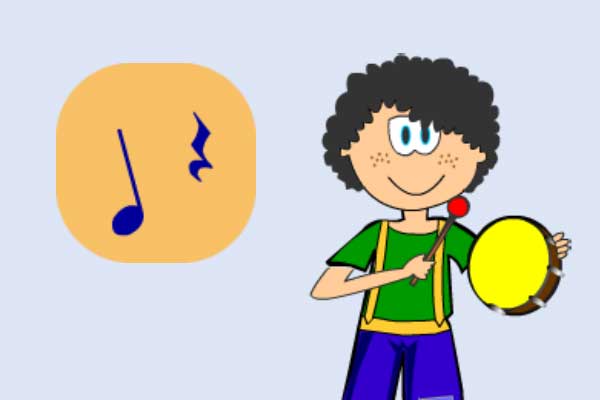
Un juego de dictado rítmico centrado en la figura negra y su silencio: escuchas un ritmo y tienes que identificarlo entre varias opciones de partitura. Perfecto para consolidar la relación entre el silencio y su duración, uno de los conceptos que más cuesta interiorizar al empezar a leer ritmos.
Learn “Gently Sleep” on the recorder: a lullaby of three notes (G - A - B) from the most elementary block. Listen to the song with its score and the finger positions, play by pressing the notes that light up, play along with karaoke mode or play on your real recorder and let the microphone check every note. With lyrics, note names and adjustable speed.
Aprende a tocar O When the Saints (When the Saints Go Marching In), un clásico del jazz y el gospel, con la flauta dulce. El juego te guía nota a nota mostrando la partitura y la posición de los dedos, para practicar la digitación con una melodía animada y muy reconocible.
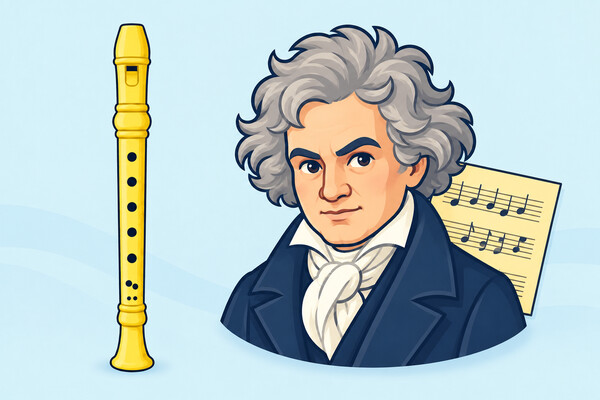
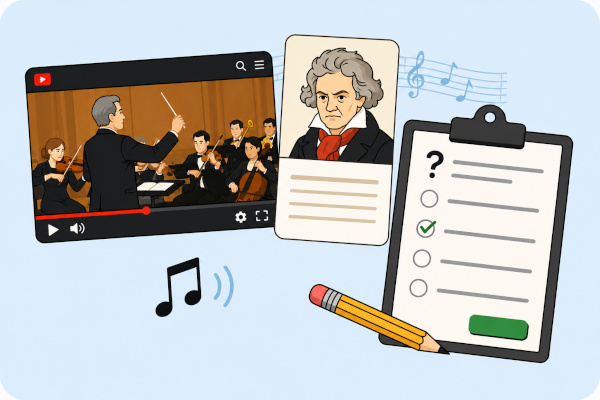
Aprende a tocar el Himno a la Alegría, el tema principal de la Novena Sinfonía de Beethoven, con la flauta dulce. El juego muestra la partitura y la posición de los dedos nota a nota, para practicar la digitación con una de las melodías más célebres de la música clásica.
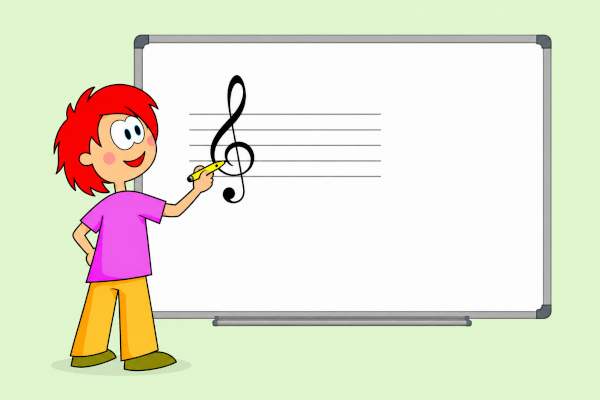
Un juego que enseña a dibujar la clave de Sol trazo a trazo, mostrando el recorrido correcto que hay que seguir. Pensado para quien empieza a familiarizarse con el pentagrama y quiere aprender a reconocer y reproducir este símbolo fundamental de la notación musical.
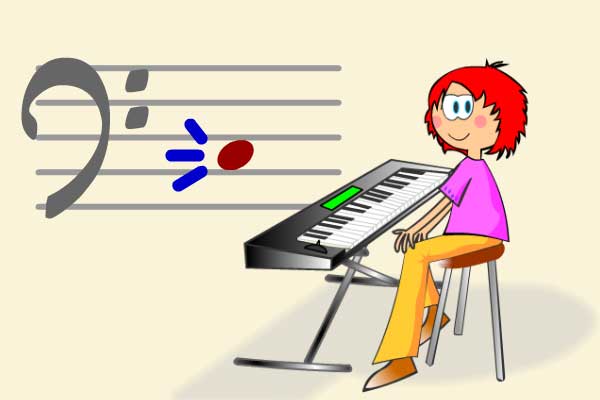
Una variante de Atrapa las notas centrada en la clave de Fa: hay que identificar y atrapar la nota correcta entre varias que caen por la pantalla, igual que en el juego original pero leyendo en la clave que usan instrumentos como el violonchelo o la mano izquierda del piano. Pensado para el nivel avanzado, cuando ya se domina la lectura en clave de Sol.
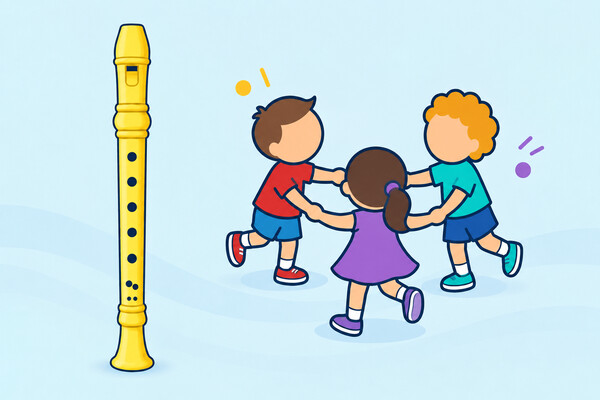
Aprende a tocar Antón Pirulero, la popular canción tradicional infantil, con la flauta dulce. El juego muestra la partitura y la posición de los dedos nota a nota, ideal para quien empieza a practicar canciones completas después de aprender las posiciones básicas.
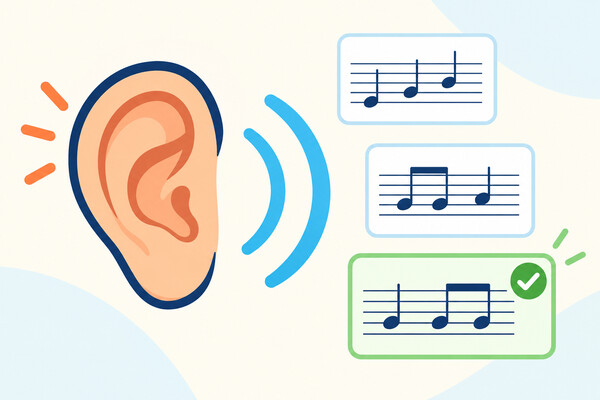
Ejercicio de dictado rítmico sencillo, para descubrir gradualmente las nuevas células rítmicas, en este caso la pareja de corcheas. El juego sube progresivamente de dificultad y prepara para actividades de reconocimiento rítmico más difíciles
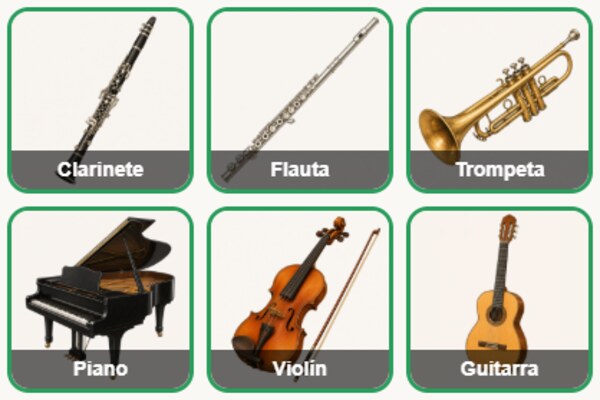
A classic memory (pairs) game in which you have to find each musical instrument and match it with its name: clarinet, flute, trumpet, piano and many more. A fun way to learn to recognise instruments, also available in a mobile version.
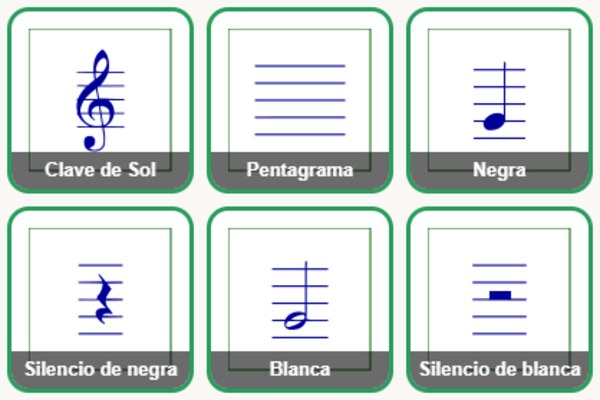
A memory (pairs) game focused on basic musical symbols: clefs, note values, rests and other symbols of musical notation. Matching each symbol with its name helps you memorise them in a visual and fun way.
A question-and-answer game about musical language, designed to review and consolidate knowledge in a fun way. Students answer multiple-choice questions about notes, rhythm, theory, instruments, listening and musical culture. This level reviews the Beginner 1 contents, with questions adapted to the basics of musical language. It is designed to be used in class as a review activity or informal assessment. The trivia format encourages motivation and participation, and can be used individually or in groups (up to 2 players).
Learn “Silent Night”, one of the best-known carols, on the recorder, in the school version in 3/4 time. Listen to the song with its score and the finger positions, play by pressing the notes that light up, play along with karaoke mode (with the classic harmonisation) or play on your real recorder and let the microphone check every note. With lyrics, note names and adjustable speed.
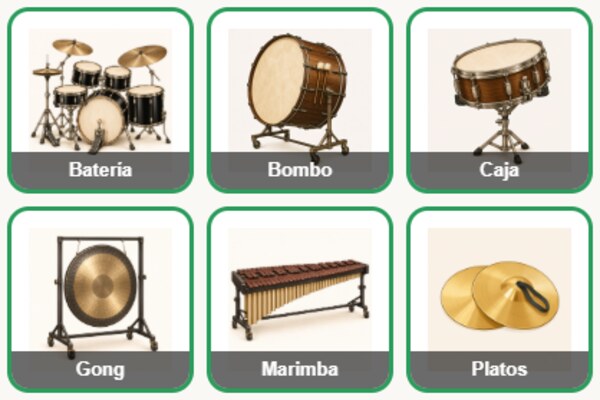
A classic memory (pairs) game focused on the best-known percussion instruments: drum kit, bass drum, snare drum, gong, marimba, cymbals, timpani and triangle. A fun way to learn to recognise them, also available in a mobile version.
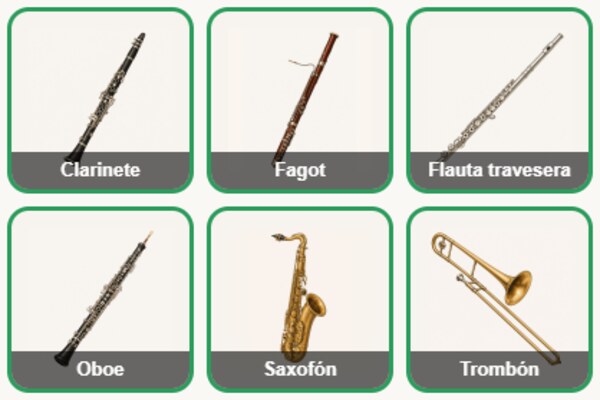
A classic memory (pairs) game focused on the best-known wind instruments: clarinet, bassoon, flute, oboe, saxophone, trombone, French horn, trumpet and tuba. A fun way to learn to recognise them, also available in a mobile version.
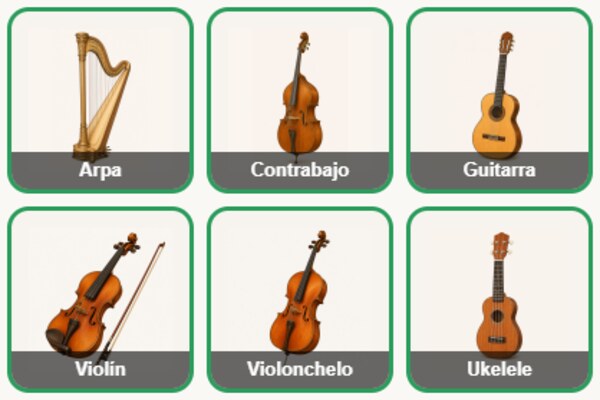
A classic memory (pairs) game focused on the best-known string instruments: harp, double bass, guitar, violin, cello, ukulele, electric guitar and piano. A fun way to learn to recognise them, also available in a mobile version.
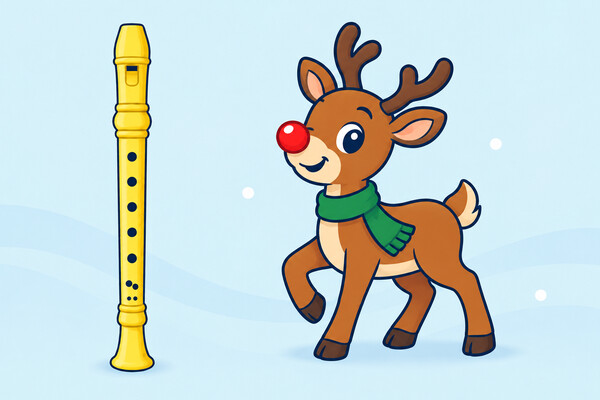
Learn to play Rudolph the Red-Nosed Reindeer, one of the most popular Christmas songs, on the recorder. Listen to the song with its score, lyrics, chords and the finger positions, play by pressing the notes that light up, or play on your real recorder and let the microphone check every note. With note names, adjustable speed, recorder or keyboard, and karaoke to sing along with accompaniment.
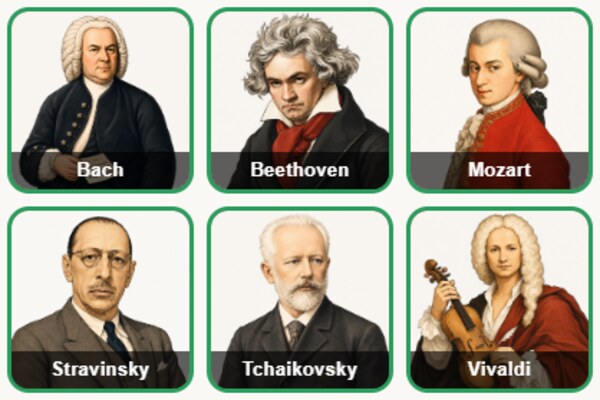
A memory (pairs) game to learn to recognise some of the great composers in the history of music, matching their portrait with their name. A fun way to get familiar with key figures of musical culture.
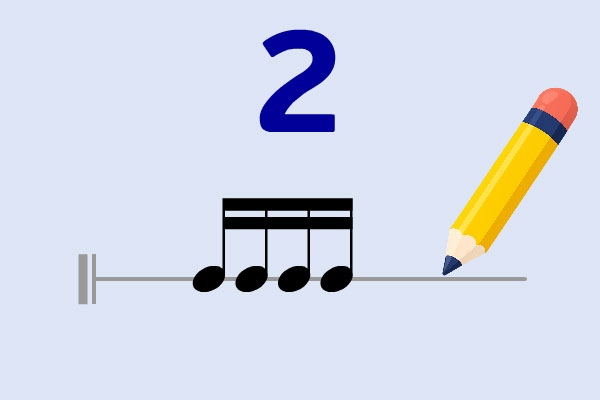
Segundo nivel de dificultad de dictados rítmicos. Frases de 4 compases en 2/4 utilizando las figuras del primer nivel al que añadimos el grupo de 4 semicorcheas (ti-ri-ti-ri). Se escucha un esquema rítmico y hay que presionar los botones correspondientes.
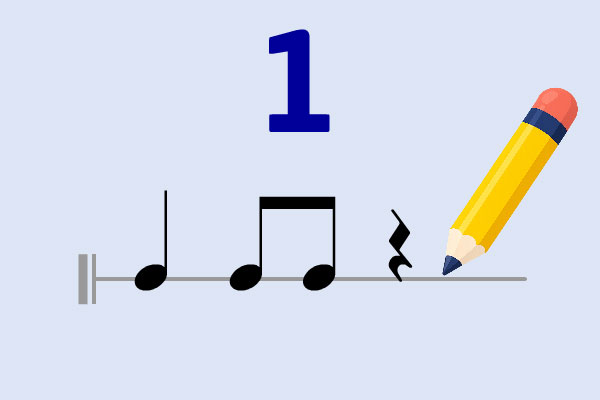
Dictado rítmico clásico y primer nivel de dificultad de dictados rítmicos. Frases de 4 compases en 2/4 utilizando las figuras de negra, silencio de negra y pareja de corcheas. Se escucha un esquema rítmico y hay que presionar los botones correspondientes al ritmo escuchado.
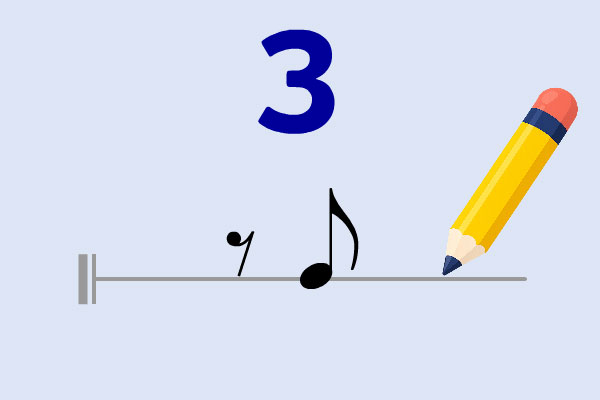
Tercer nivel de dificultad de dictados rítmicos. Frases de 4 compases en 2/4 con ancrusa utilizando "un-ti", silencio de corchea y corchea. Se escucha un esquema rítmico y hay que presionar los botones correspondientes.
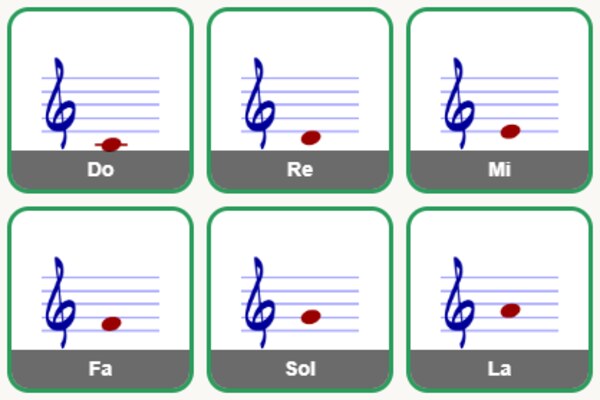
A memory game to practise the notes C, D, E, F, G and A. Match each note with its name. You can also play with a friend, taking turns on the same device.
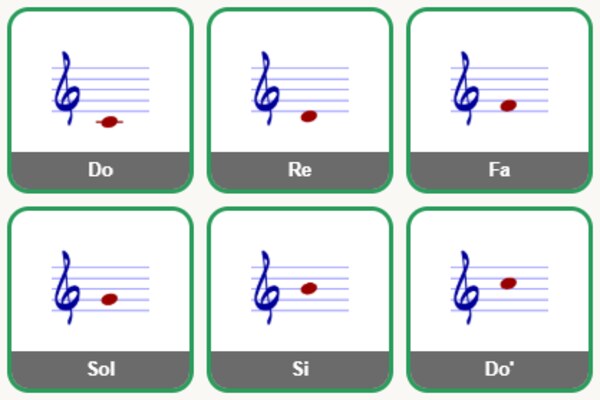
A memory (pairs) game focused on the full C major scale: C, D, E, F, G, A, B, C. Matching each note on the staff with its name helps consolidate reading the whole scale in a visual and fun way.
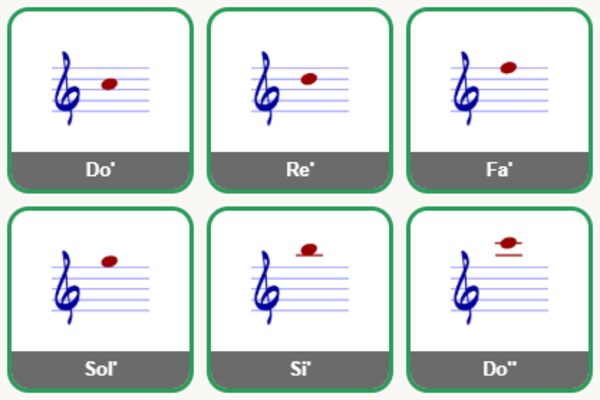
A memory (pairs) game focused on the first high notes, the ones that appear above the staff in the treble clef. Matching each note with its name helps you get comfortable with ledger lines and keep widening your reading range.
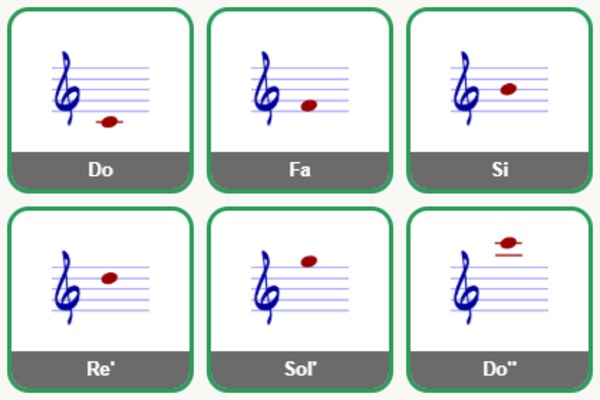
A memory (pairs) game that extends the practice to all the high notes in the treble clef. Matching each note with its name helps consolidate reading the full high register, designed for the advanced level.
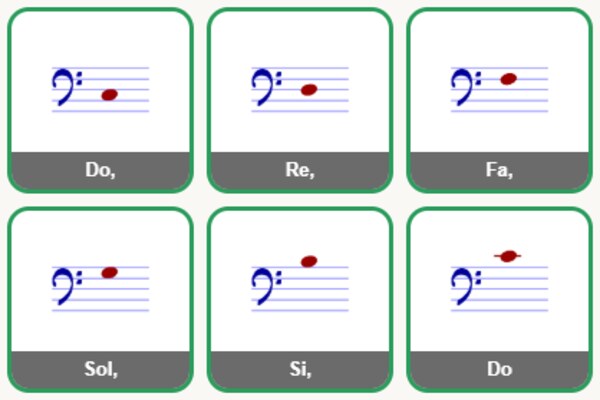
A memory (pairs) game that introduces reading in the bass clef, the clef used by instruments such as the cello or the left hand of the piano. Matching each note with its name is a fun way to take your first steps in this new clef.
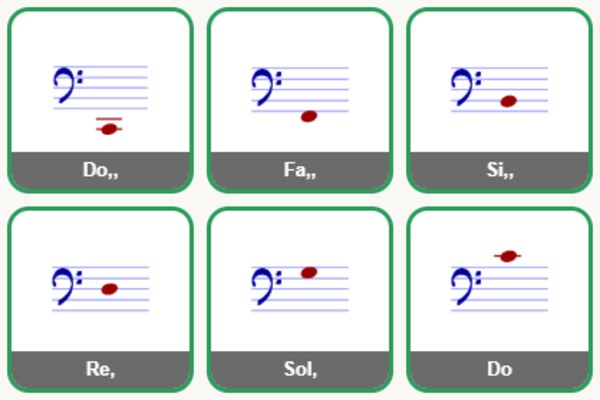
A memory (pairs) game that completes bass clef reading with all its notes. Matching each note with its name helps consolidate full reading of this clef, designed for those who already know its first notes.
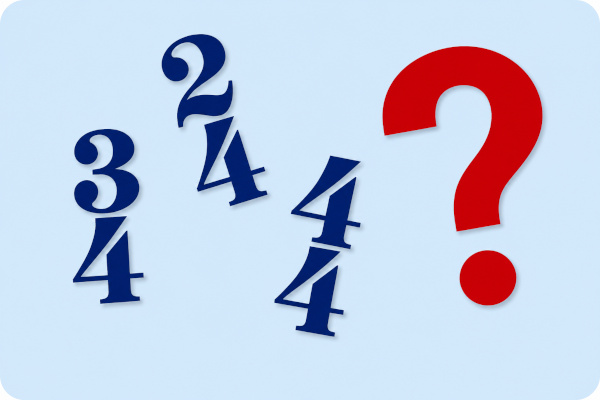
La actividad presenta diferentes combinaciones de figuras rítmicas en un solo compás. Según la combinación presentada, debe contestarse si es un compás de 2/4, 3/4 o 4/4. La actividad tiene dos niveles, según la complejidad de las células rítmicas que aparecen.
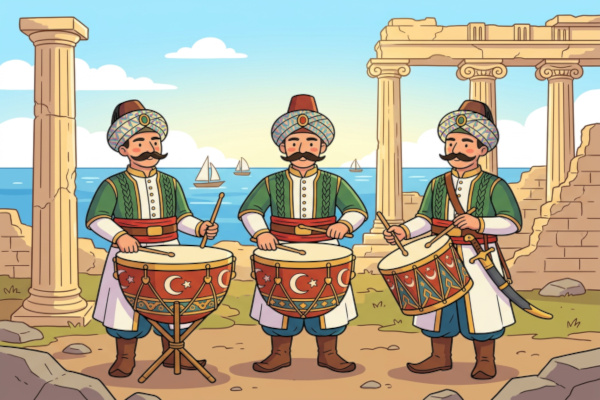
An interactive musicogram based on Beethoven's The Ruins of Athens, letting you follow the piece's structure visually as it plays. An engaging way to approach active listening and the understanding of musical form through a classical piece widely used in the classroom.
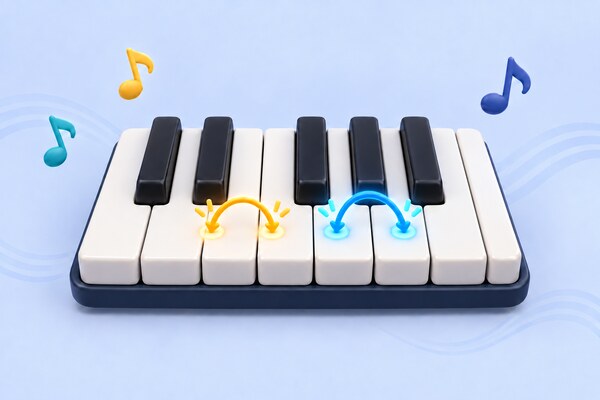
Entrenamiento auditivo. Se presentan dos sonidos y hay que distinguir si la distancia entre ellos es de semitono, tono o mayor de un tono. Cada ejercicio consta de una secuencia de 10 rondas. Los ejemplos estan en un variado rango de notas, agudas, medias y graves. Una buena oportunidad también de testear tu capacidad auditiva.
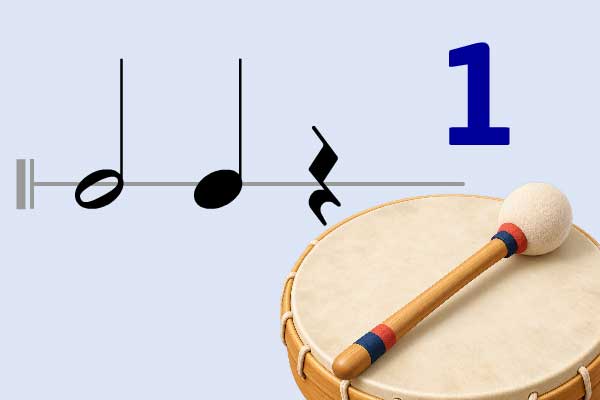
Un ejercicio interactivo para entrenar el ritmo con las figuras blanca y negra, tocando o marcando el pulso en el momento justo. Ideal para trabajar la coordinación y la precisión rítmica antes de pasar a ejercicios de dictado más complejos.
Second instalment of Music Trivia, with harder questions for students with intermediate knowledge of musical language. It covers wider contents: notes and rests, time signatures, orchestral instruments and general musical culture. Suitable for the middle and upper primary years or the start of secondary school. Like level 1, it can be used in class as a review activity, assessment or competition between groups. The trivia format keeps motivation high and lets students review a lot of content in an enjoyable way.
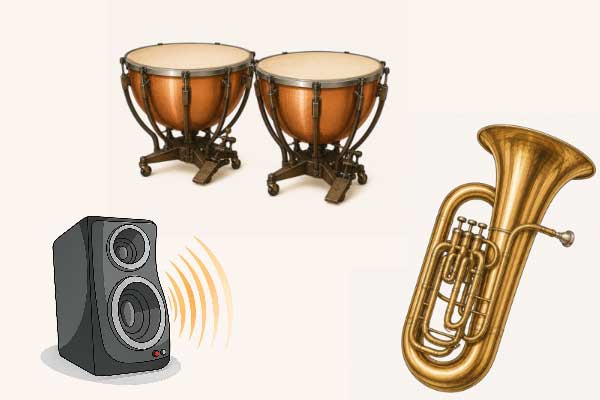
An ear-training quiz in which you have to identify by ear which instrument is playing among several options. A fun way to train your ear and get to know the characteristic timbre of each instrument.
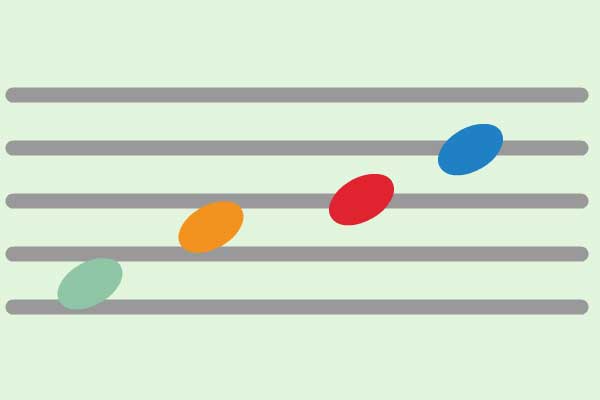
Se presenta un pentagrama y se pide al usuario que pulse en sus líneas y espacios siguiendo las indicaciones dadas. El objetivo de la actividad es familiarizarse con el orden de las líneas y los espacios, paso previo a la colocación de las notas.
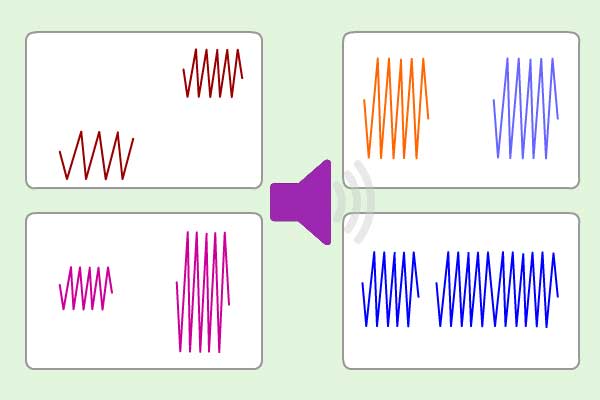
In this game you'll review the four qualities of sound: intensity, duration, pitch and timbre. After a short review of the concepts, there are three challenges of increasing difficulty in which a well-known tune plays twice, in two different ways, and you have to recognise what has changed. In the first the tunes differ in only one quality; in the second, in two; and in the third you have to find the only quality they have in common.
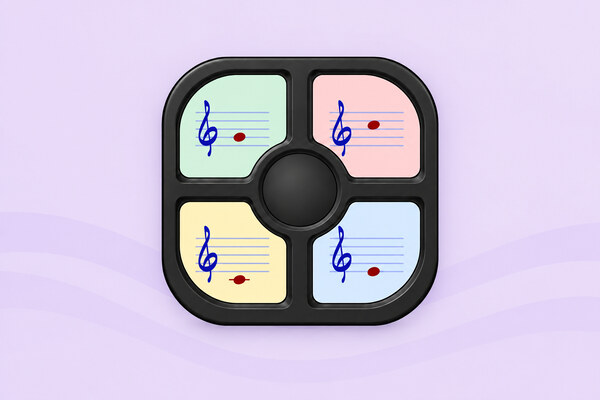
Musical Simon trains auditory memory and note reading on the staff using a wheel with the real structure of the game. Listen to the sequence as it plays and repeat it by tapping the notes on the wheel; each round adds one more note. Choose between three note groups and two speeds, play solo or take turns between two players, and earn a Bravo with more than 11 notes in a row.
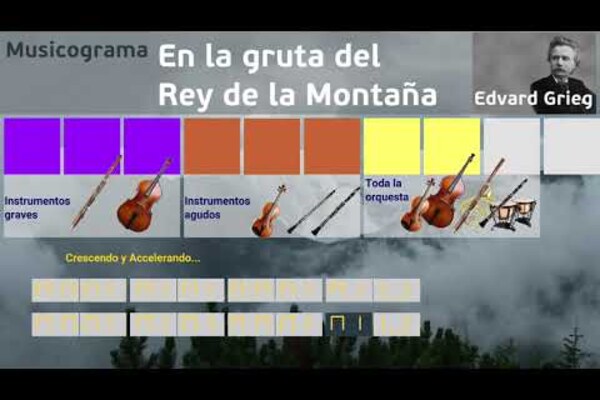
A musicogram based on In the Hall of the Mountain King, by Edvard Grieg, which shows with colours and instruments how the same theme moves from the low instruments to the high ones and then to the whole orchestra, while the music grows louder and faster. Ideal for working on active listening, timbre and changes in dynamics and speed.
Identify continuous upward, downward or steady sound movement. Listen to ten examples, replay the audio and track your progress.
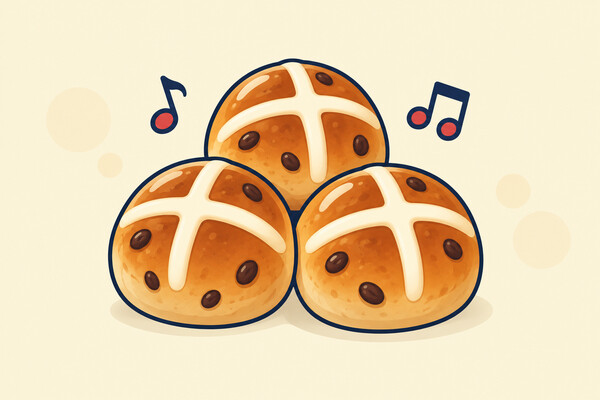
Aprende a tocar Hot Cross Buns, una de las melodías más utilizadas para iniciarse en cualquier instrumento, con el teclado virtual de Melody Maestro. Un paso natural tras dominar las primeras notas sueltas, antes de pasar a canciones más largas.
Identify upward, downward or steady movement in a series of notes. Listen to ten examples, replay the audio and track your progress.
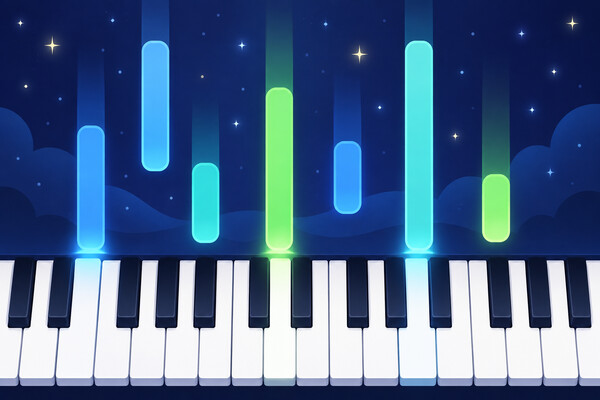
Un teclado virtual interactivo para explorar libremente cómo suenan las notas y experimentar con melodías propias. Pensado para el nivel avanzado, es un espacio de práctica libre que complementa a los juegos de Melody Maestro con canciones concretas.
Un juego de teclado virtual que enseña a tocar canciones sencillas nota a nota, mostrando qué tecla hay que pulsar en cada momento. Ideal para practicar la coordinación y la lectura musical aplicada directamente al teclado.
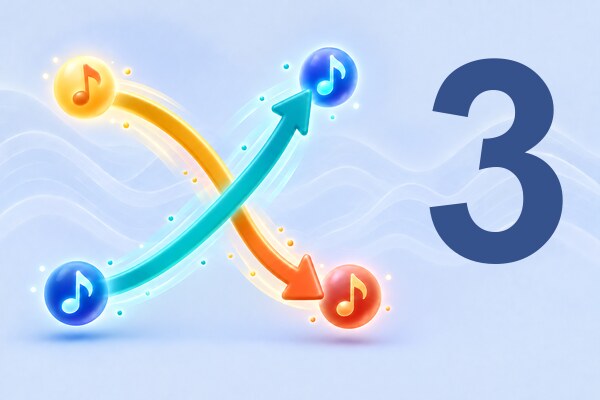
Compare two sounds: is the second higher, lower or the same? Listen to ten examples, replay the audio and track your progress.
Una variante navideña de Melody Maestro, con villancicos populares para tocar nota a nota en el teclado virtual. Una forma divertida de practicar en la época de Navidad mientras se consolida la lectura musical aplicada al teclado.
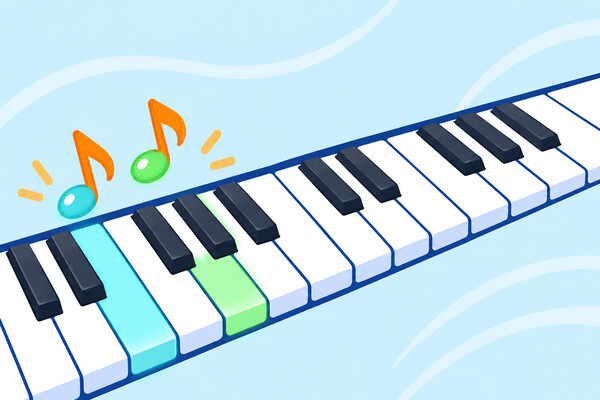
La versión más sencilla de Melody Maestro, centrada solo en las notas Sol y Mi. El teclado virtual muestra qué tecla pulsar en cada momento, siendo la puerta de entrada ideal para quien nunca ha tocado un teclado antes de pasar a canciones más completas.

A musicogram based on the Triumphal March from Giuseppe Verdi's opera Aida, visually representing the piece's A-A'-B-A' structure as it plays. Ideal for working on active listening and the understanding of musical form with a very well-known piece, even outside the music classroom.
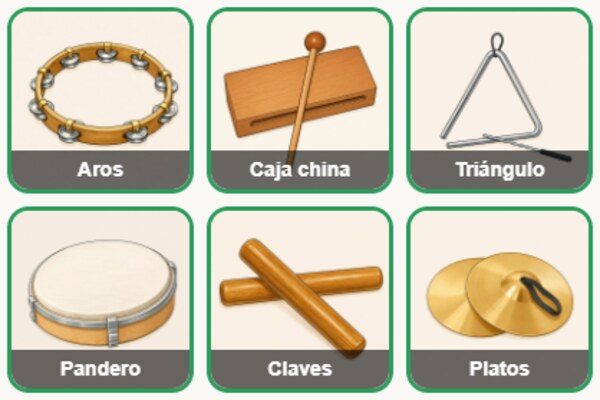
A classic memory (pairs) game focused on the small percussion instruments most commonly used in the classroom: jingle hoop, wood block, triangle, tambourine, claves, cymbals and maracas. A fun way to learn to recognise them, also available in a mobile version.
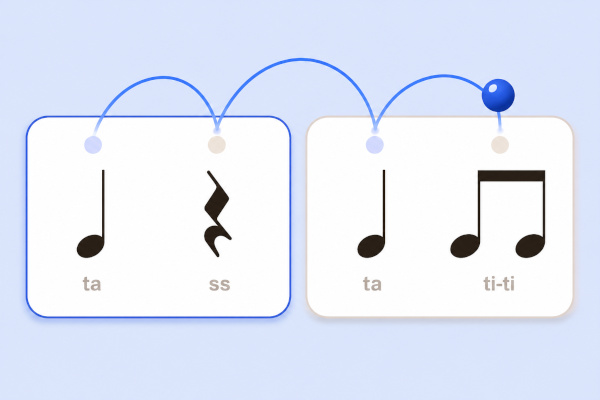
A game to build rhythm-reading fluency. Three cards are shown with rhythmic combinations of quarter notes, quarter rests and pairs of eighth notes. A metronome keeps a steady tempo while a blue ball jumps from beat to beat. You have to play the marked rhythm correctly on the tambourine, in rounds of ten cards in a row. The game has 8 difficulty levels (challenges), with the cards shown getting more complex and the tempo getting faster.
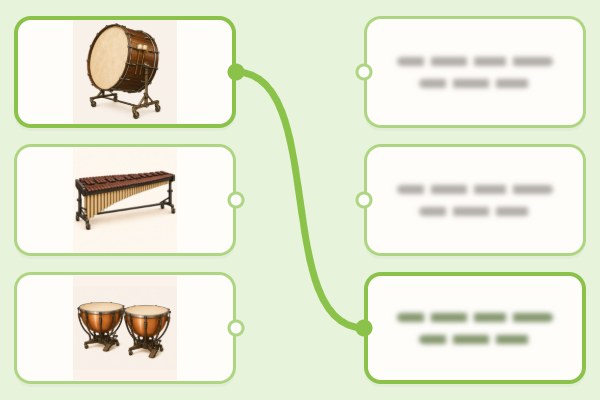
Match pictures, photos, names, descriptions and sounds of nine percussion instruments: drum kit, bass drum, snare drum, tubular bells, gong, marimba, cymbals, timpani and triangle. Complete 15 pairs per round, with four pairs visible at a time. Each instrument has several recordings, so a different one may play each time. Answers can be retried, and the result shows how many pairs you got right on the first try.
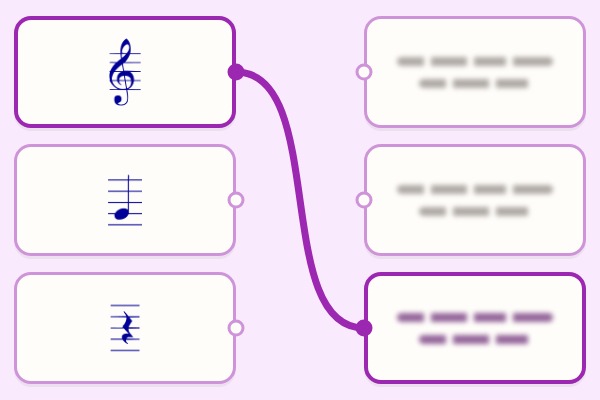
Match images, names and explanations for the 11 concepts from the Aprendo-Kit study card on musical symbols: staff, treble clef, 2/4 time signature, bar line, final barline, repeat signs, quarter note, quarter rest, pair of eighth notes, half note and half rest. Complete 15 pairs per round, with four pairs visible on desktop and three on mobile. Answers can be retried, and the result shows how many pairs you got right on the first try.
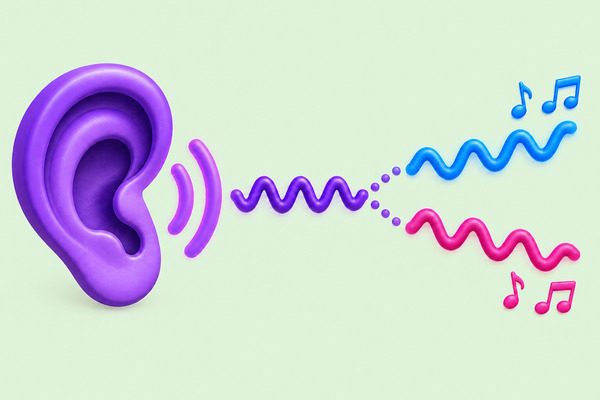
Hearing acuity test: two sounds play one after another and you have to decide whether the second one goes up or down. It starts with an octave and the distance shrinks (fifth, third, whole tone, semitone) down to fractions of a semitone measured in cents. A piano and a semitone bar show the notes that sounded, and at the end your precision level is shown. You can finish at any time and retake the test another day.
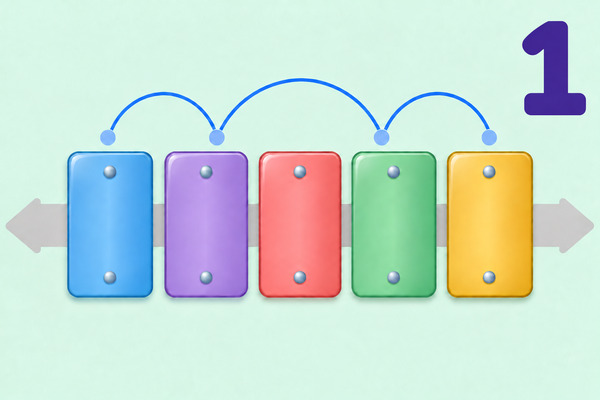
An ear-training game inspired by Willems' intratonal chime: five bars sound mixed up and you have to order them from low to high, guided only by your ear. It includes two levels: Scale (five notes of the scale, easier to tell apart) and 2 tones (each bar is a semitone away from the next). Each level has three rounds and is passed by getting two out of three right. You can move each bar by dragging it, with arrows or with the keyboard, and listen to the correct order to learn by ear.
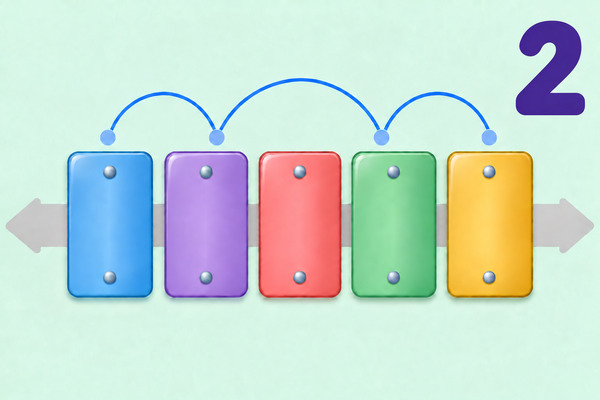
Second part of the sound chimes game, inspired by Willems' intratonal chime: five bars sound mixed up and you have to place them in order from low to high, guided only by your ear. Here the bars are closer together than in the first chime: 1 tone and 1 semitone between the first and last, for those who already master wide gaps and want to fine-tune their ear. Each level has three rounds and is passed by getting two out of three right. You can move each bar by dragging it, with arrows or with the keyboard, and listen to the correct order to learn by ear.
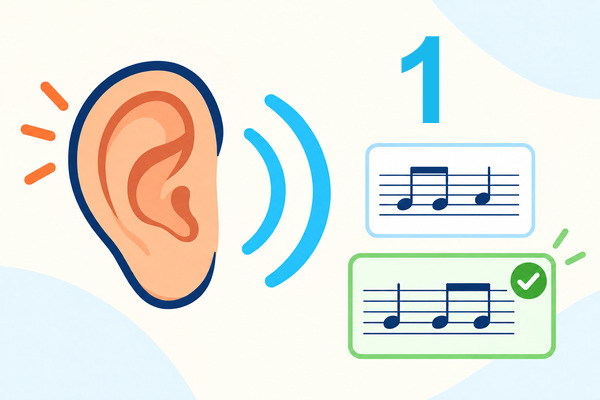
Recognise simple E, G and A melodies in two bars of 2/4. Five challenges of five rounds progress from quarter notes and rests to three pairs of eighth notes. After each answer, compare the two scores and listen again while a cursor follows the notes.
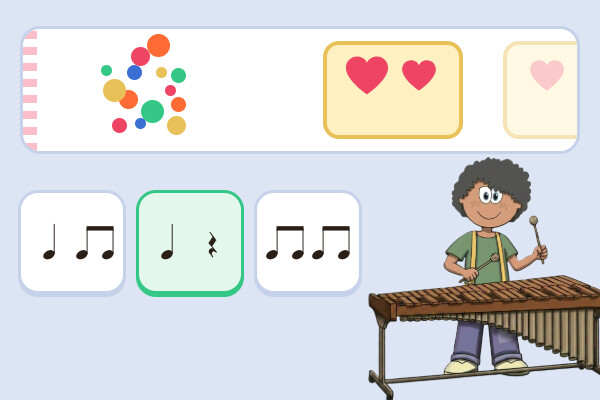
In this game, a two-beat rhythmic combination crosses the screen from side to side and you have to press the button that matches it. The two hearts on the rectangle mark the pulse. Five levels introduce the rhythm patterns little by little: quarter note, quarter rest and pair of eighths; four sixteenths; un-ti; syncopation and tai-ti; and combinations of eighth and sixteenth notes. You can also choose four patterns to practise exactly what you want. Three speeds and an optional metronome.
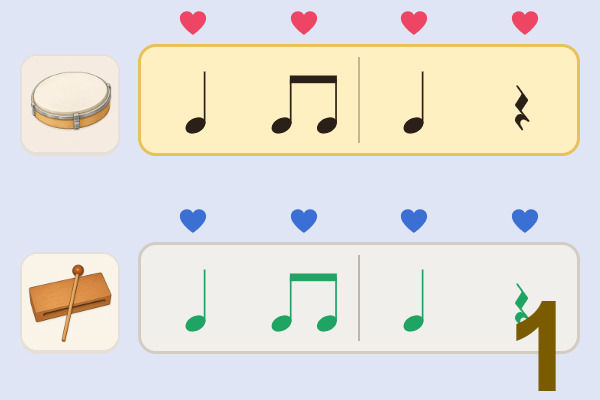
A rhythm echo game: the hand drum plays a four-beat rhythm written on the screen, and it is your turn to repeat it on the woodblock, tapping every figure, with the same rhythm in grey as a guide. Ten rounds per game, from easier to harder, with three speeds and an optional metronome. At this level you practise the quarter note, the quarter rest and the pair of eighths.
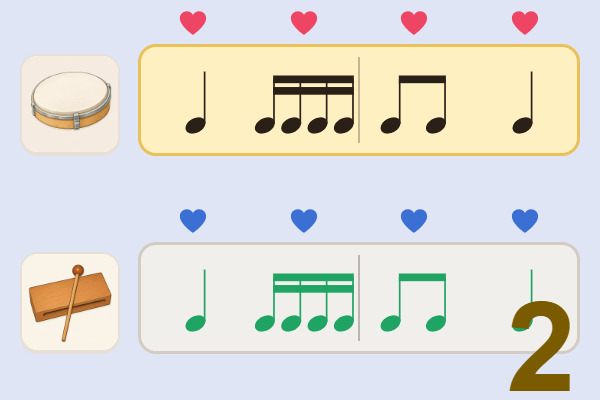
A rhythm echo game: the hand drum plays a four-beat rhythm written on the screen, and it is your turn to repeat it on the woodblock, tapping every figure, with the same rhythm in grey as a guide. Ten rounds per game, from easier to harder, with three speeds and an optional metronome. At this level you practise the four sixteenths.
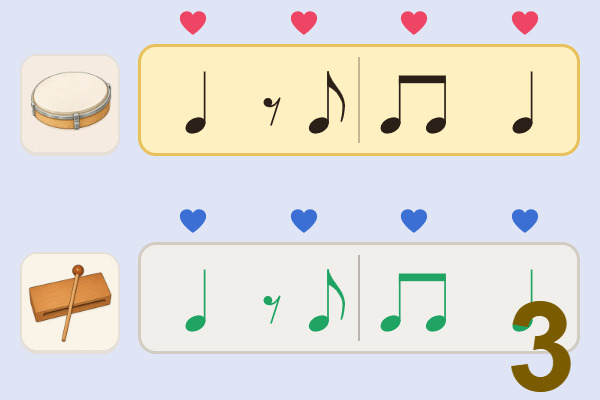
A rhythm echo game: the hand drum plays a four-beat rhythm written on the screen, and it is your turn to repeat it on the woodblock, tapping every figure, with the same rhythm in grey as a guide. Ten rounds per game, from easier to harder, with three speeds and an optional metronome. At this level you practise the un-ti (eighth rest and eighth note).
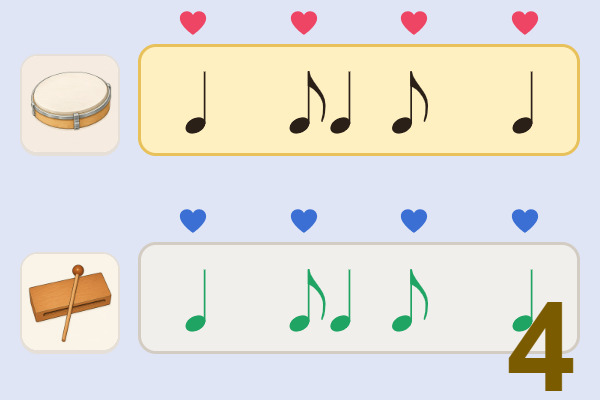
A rhythm echo game: the hand drum plays a four-beat rhythm written on the screen, and it is your turn to repeat it on the woodblock, tapping every figure, with the same rhythm in grey as a guide. Ten rounds per game, from easier to harder, with three speeds and an optional metronome. At this level you practise syncopation and the tai-ti.
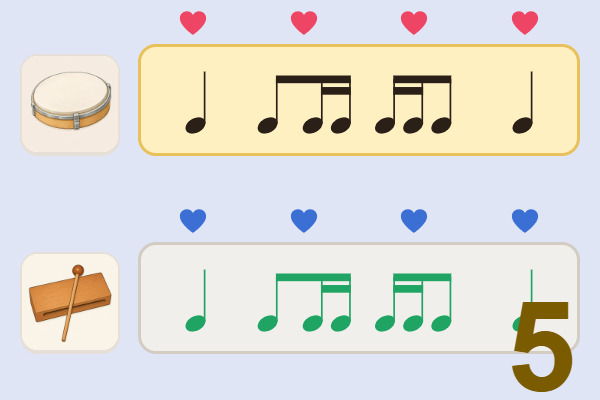
A rhythm echo game: the hand drum plays a four-beat rhythm written on the screen, and it is your turn to repeat it on the woodblock, tapping every figure, with the same rhythm in grey as a guide. Ten rounds per game, from easier to harder, with three speeds and an optional metronome. At this level you practise combinations of eighth and sixteenth notes.
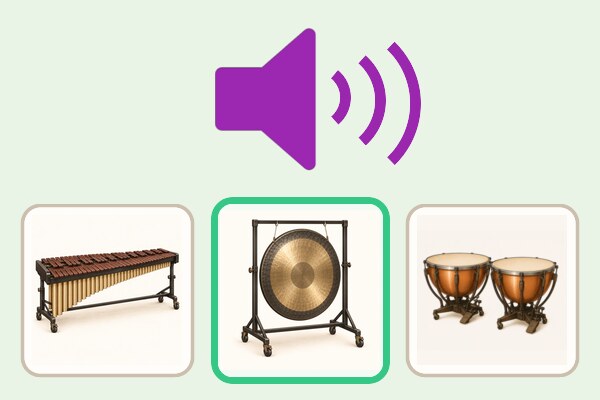
An ear-training quiz with nine percussion instruments: drum kit, bass drum, snare drum, tubular bells, gong, marimba, cymbals, timpani and triangle. An instrument plays and you choose it from three pictures; each instrument has several recordings, so a different one can play each time. Play alone or take turns with another person.
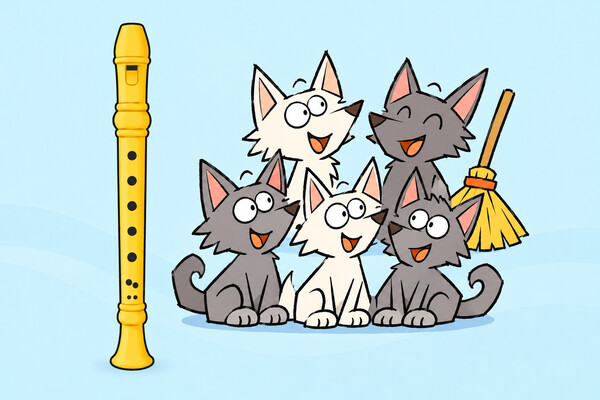
Learn “Cinco lobitos” on the recorder: a song of three notes (G - A - B) from the most elementary block. Listen to the song with its score and the finger positions, play by pressing the notes that light up, play along with karaoke mode or play on your real recorder and let the microphone check every note. With lyrics, note names and adjustable speed.
Learn “Doña Cotifina” on the recorder: a song of two notes (A - B) from the most elementary block. Listen to the song with its score and the finger positions, play by pressing the notes that light up, play along with karaoke mode or play on your real recorder and let the microphone check every note. With lyrics, note names and adjustable speed.

Learn “Una señora” on the recorder: a song of two notes (A - B) from the most elementary block. Listen to the song with its score and the finger positions, play by pressing the notes that light up, play along with karaoke mode or play on your real recorder and let the microphone check every note. With lyrics, note names and adjustable speed.
Learn “Caracol” on the recorder: a song of three notes (G - A - B) from the most elementary block. Listen to the song with its score and the finger positions, play by pressing the notes that light up, play along with karaoke mode or play on your real recorder and let the microphone check every note. With lyrics, note names and adjustable speed.
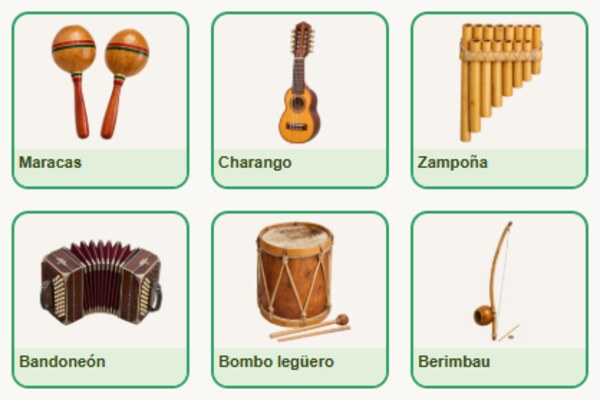
Recognise the images and names of 16 traditional Latin American instruments. Each round uses six at random. Play alone to improve your best attempt count or take turns with another player. Includes a complete reference collection and a two-page infographic.
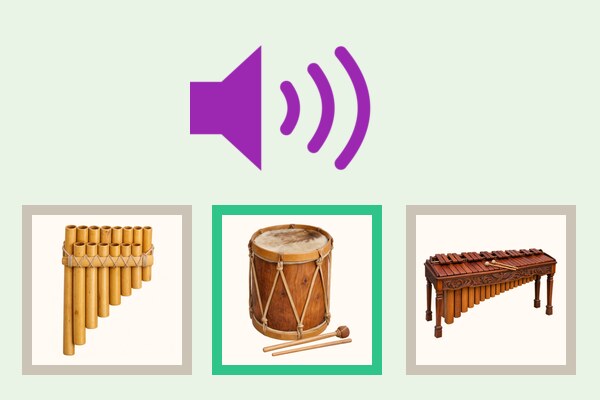
An ear-training quiz with twelve traditional Latin American instruments: Paraguayan harp, bandoneon, bombo legüero, Peruvian cajón, charango, güiro, Mexican guitarrón, maracas, marimba, ocarina, quena and zampoña. An instrument plays and you choose it from three pictures; four more instruments from the guide (classical guitar, Venezuelan cuatro, llanera harp and berimbau) also appear among the options. Play alone or take turns with another person.
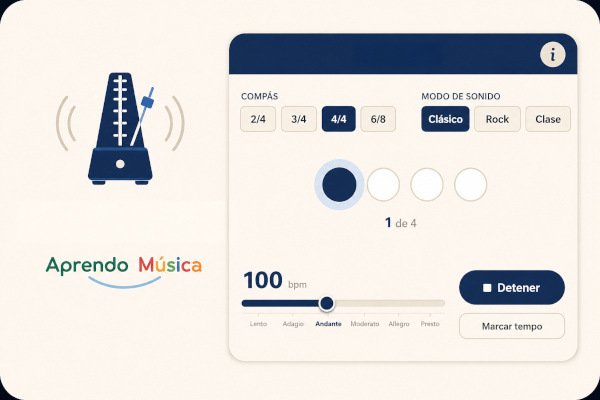
A general-purpose tool that marks the musical pulse with a row of lights synchronised with the sound — one light per beat of the bar, with the strong beat highlighted. Choose the time signature (2/4, 3/4, 4/4, 6/8), a tempo from 40 to 208 bpm with the matching Italian terms, and three sound modes: Classic, Rock and Classroom. Includes a "Tap tempo" function to work out the exact bpm of a song by tapping its pulse by hand.
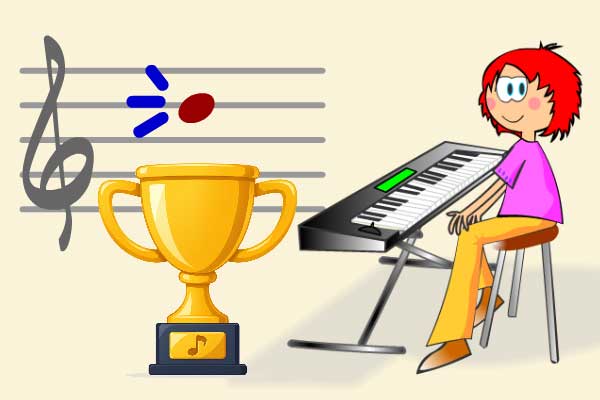
Turn-based version of Catch the Notes for the digital whiteboard or any shared classroom screen. Two players pass the device over 3 rounds of increasing difficulty; whoever scores the most hits reading the notes on the staff wins. Includes a quick tournament (already calibrated levels) and a custom tournament (you choose the notes for each round). Free, with no limit on games.
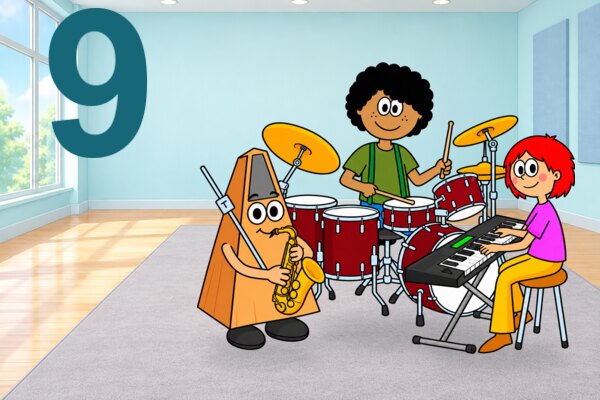
Unidad completa de Clase de Música, la versión de escritorio para el aula del método Aprende con Tempo, pensada para pizarra digital. Prueba piloto del futuro curso: ¡pruébala y cuéntanos en sugerencias! Incluye 10 actividades — carillón, acompañamiento con percusión, repaso de conceptos, colocación de líneas divisorias, conteo de compases, identificación de elementos, lectura de partitura, reconocimiento auditivo del compás, relación de parejas y memory — en torno al compás de 2, la línea divisoria y el signo de compás.
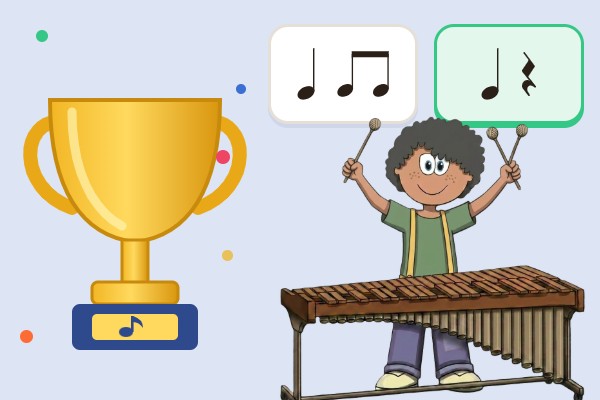
A turn-based version of Catch the rhythms for an interactive whiteboard or any shared screen in class. Two players pass the device over 3 rounds of rising difficulty; whoever scores the most hits recognising by ear the rhythm that plays wins. It includes a quick tournament (already calibrated levels) and a custom tournament (you choose the level of each round), with three speeds. Free, with no limit on games.